
Stroppel Cane History
From an article I wrote for The Polymer Arts Magazine 2012

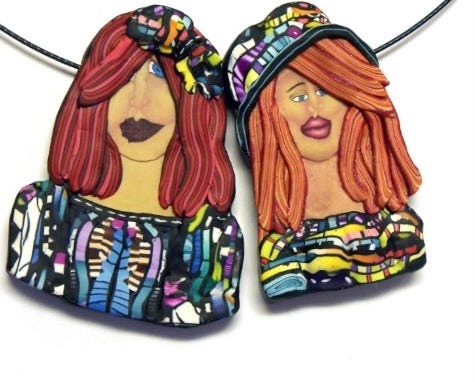
The Stroppel Cane - A Serendipitous Journey
"A happy accident”, "a pleasant surprise”, "the accident of finding something good or useful without looking for it."..these descriptions from the Wikipedia definition of "serendipity" describe perfectly the birth of the Stroppel Cane. The journey from daydreaming by a wandering mind "at play" to a technique the has attracted broad interest and imitation has been exciting and rewarding. An attempt to re-cycle "scrap" material has become a medium for both creativity and practicality.
The first step in the birth of the Stroppel Cane occurred in my home studio. I was engaged in what I call "play". I often sit down at my clay table with some mental concept or idea for a grand clay project, but I am easily distracted by the colors, patterns and shapes that come about while I'm working. Soon the distraction- overtakes the original idea and leads me in a completely new direction. I am "at play." That's when totally spontaneous creativity takes over. I am no longer deciding, planning and making a pre-conceived product. My "play" has produced something special.
When I refer to time spent at my clay table as "play", I am reminded that I am an artist because it's FUN. Creating reaches an empty place inside me that nothing else seems to fill.
The journey may have begun with my reluctance to waste clay. I have always been frugal with clay, especially Skinner Blends and other canes.
I’d spent hours cranking out skinner blends and making canes but the process led to pile of scrap and unusable slices. I couldn't stand to see these scraps wasted.
Could they becomes something brand new? The answer is explained in the Stroppel Cane Video. This new technique would become an ideal form of recycling and Reusing
It so happened that in September 2011, I was at a retreat with a group of extremely talented polymer clay artists and was lucky to have Meisha Barbee as a table-mate. One evening while cleaning up my work space, I made one of my typical scrap canes and showed it to Meisha. She then took the cane and created a fabulous “Barbee/Stroppel” pendant for each of us.
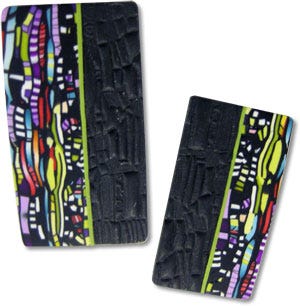
Then several other artists enthusiastically made canes from their scraps.
On the last day of the retreat a few of us decided to trade pieces of our work. I was delighted that Rebecca Watkins, aka Artybecca, agreed to trade some of the fabulous beads she’d just made for a “Stroppel” pendant I’d made that day. That's when I realized that I had something which might be valuable to the polymer clay world. I decide to share it as soon as I got home.
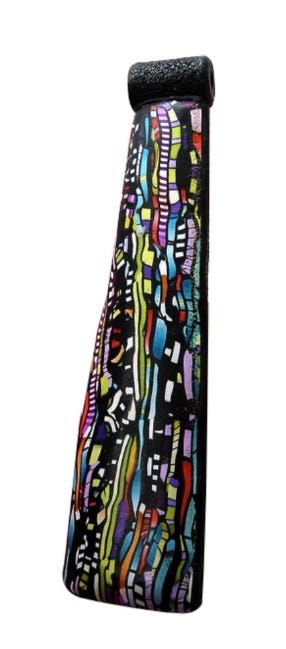
On Sept. 28, 2011 I posted The Stroppel Cane video on my blog and several thousand people took a look. To my great delight, two days later on Polymer Clay Daily, Cynthia Tinapple posted a link to my video along with her photo of the Barbee/Stroppel collaboration pendants. Here’s the link.
In the next few days, tens of thousands of people watched my brief little video, leading to my hasty move to Youtube which is free from my paid storage site. To say I was thrilled is putting it mildly.
The response was overwhelming…exciting…and so gratifying. The Stroppel Cane was doing exactly what I had hoped it would do. It was helping clayers all over the world address a common problem: scrap clay!
Every person that has ever made a cane with polymer clay wonders what to do with the scraps. The Stroppel Cane is one answer. Plus the process gives all those first canes we made when we were learning, canes we will never use, a chance to live again in a new exciting way. With this new idea there are no mistakes. There are no rules. Everyone can enjoy success.
Almost instantly I began the see wonderful canes from around the world and finished pieces from artists that used the technique adding their own voices to create sensational pieces.
Samples of Stroppel Canes and finished pieces were showing up on blogs, Flickr accounts, discussion groups and Facebook. Cynthia mentioned it several more times on Polymer Clay Daily, pointing out more examples. Artists all over the world rushed to dig out those old scraps and canes that they couldn’t bear to part with. Now they would be able to up-cycle them into something wonderful. And up-cycle they did! I am amazed at the incredible diversity of the canes and the finished pieces. Something that just happened "accidentally" was turning into a real addition to our shared craft. It certainly seems to be serendipity at work.
From the very beginning, Cara Jane Hayman was very enthusiastic about the technique and was kind enough to set up a Stroppel Cane Flickr Group. I delighted to say you can still view the group here.
The Stroppel Cane has been used to create everything from jewelry to wall art in countries from France to Russia. It’s been tried by professional artists and beginners. There have been contests and swaps. Thanks to all those artists who helped spread technique by demonstrating it at guild meetings and retreats.
What started as a simple tutorial continues as a method that will continue being a staple in many caners' technique tool box.
I am amazed at the incredible diversity of The Stroppel Cane and the finished pieces. But I shouldn’t be. The limitless possibilities of polymer clay are what continues to hold my interest after "playing" all these years.
Being able to share something with the fantastic global polymer clay community and then have it so widely embraced means more to me than I can properly express. Thanks so much for this incredibly joyful experience, I can’t wait to see how it grows in the future.
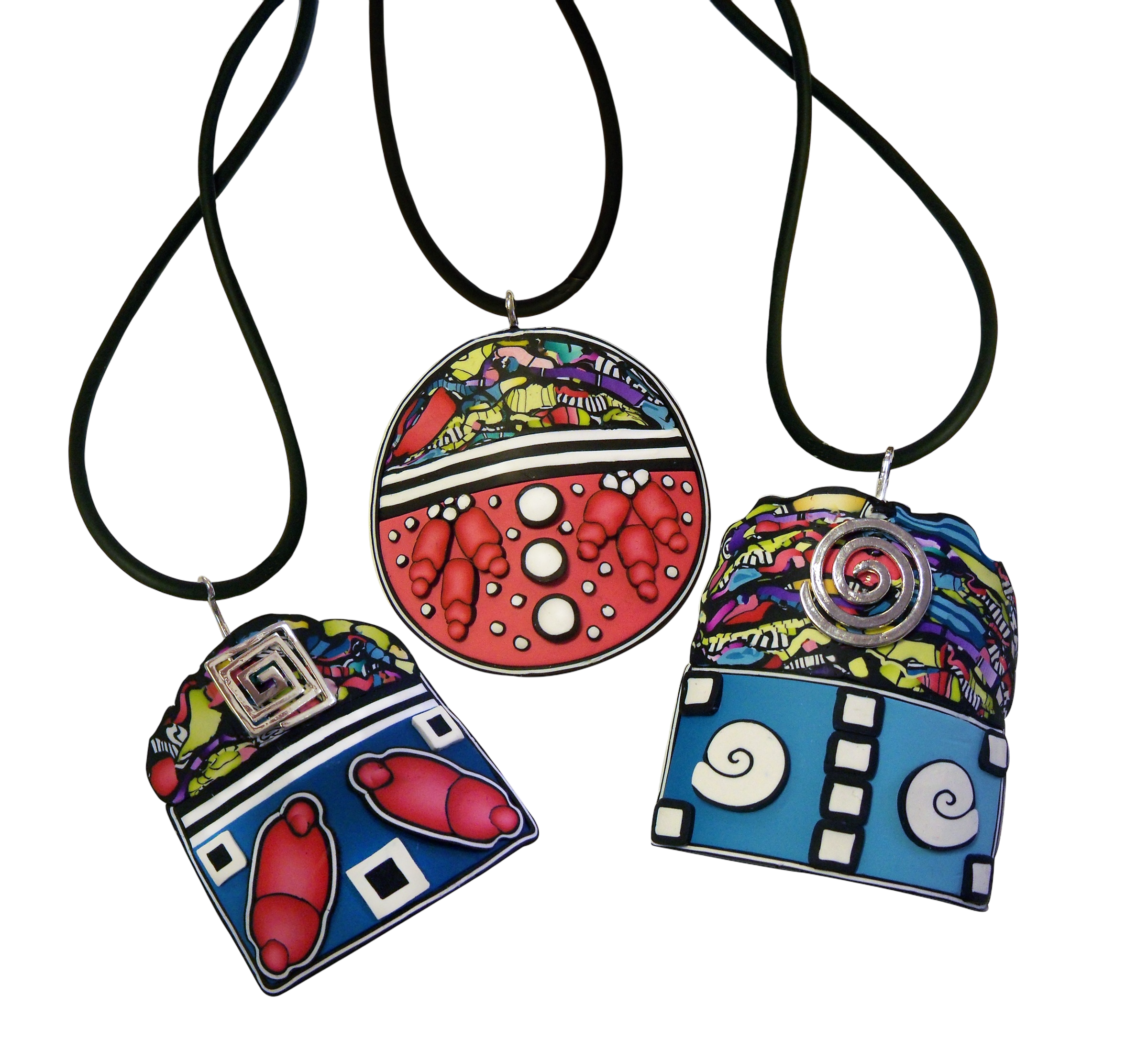
Be happy for your scraps; recycle; up-cycle; and "play". Enjoy the happy accidents
.